The first thing that visitors see about your house or property is the brickwork. Additionally, you could not understand when it’s time to have the bricks changed or repointed, even though you might think it’s clear to see any faults or concerns with the bricks. This might be due to underlying issues with the brickwork rather than surface-level issues.
In actuality, brickwork isn’t always as sturdy and long-lasting as it appears. Here are some indicators that your brickwork needs to be replaced or repointed. If it is not done correctly, you could have major problems, and someone needs to fix it as soon as you see degradation.
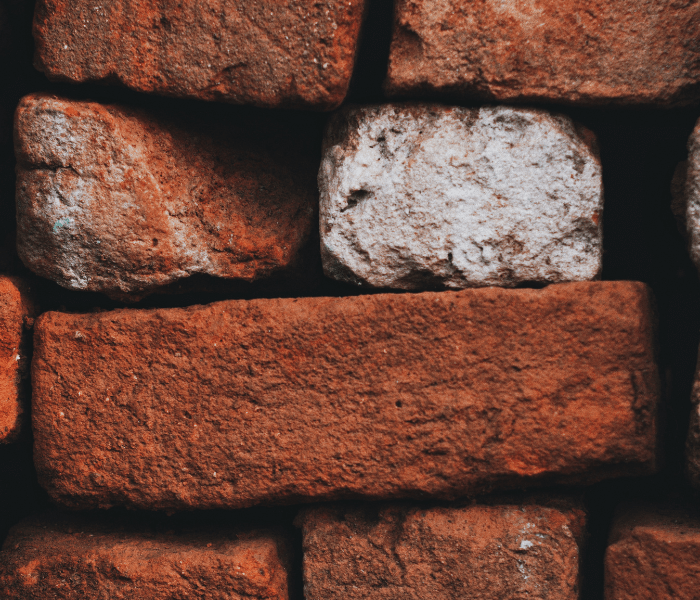
Damaged bricks
If your brickwork Is damaged, the appearance might not be the only consequence; it could be letting more moisture penetrate your home, or even affecting the wall’s structural integrity.
Sometimes, over time the brickwork naturally adapts to damage, especially if it includes lime mortar. Seriously damaged bricks may need to be cut out and replaced, ideally with bricks that match the remaining but undamaged pieces in appearance.
Failed or unsuitable pointing
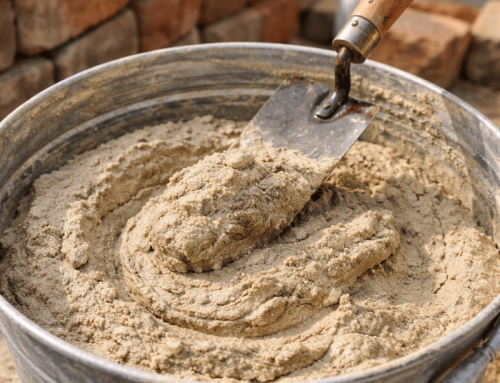
If you have pointed the brickwork in a way that has unintentionally damaged the wall, this could be the case if, for example, you have used modern cement mortar or traditional lime mortar
The more modern mortar can trap moisture and so prevent it from escaping through mortar joints, This, in turn, would force the moisture to appear on the brick faces, where it can freeze and then could lead to brick surfaces crumbling
Efflorescence
There is a chance you have never heard this word before, but it refers to white deposits that form and appear on the brickwork due to water including dissolved salts rising to the surface
One slight relief with efflorescence is that it rarely damages the brickwork from a practical point of view. However, it is unpleasant to look at, if the way we have assembled the brickwork is causing the efflorescence then replacing the brickwork may be the best solution
An inappropriately cleaned surface
It is not a bad idea to clean brickwork occasionally, however, you should ensure that you stick to the right method of cleaning as otherwise you inadvertently damage the brickwork
An aggressive cleaning method could remove the brick’s protective fired surface. Chemical cleaning can be considered however this can leave stains. If you want to use water you need to keep in mind efflorescence. Always test out the cleaning method before you go ahead and start cleaning the whole exterior of your home
Damp
If you have noticed signs of dampness in your home. It could be due to rising dampness, which decaying timber flooring or crumbling plaster can indicate, It may be penetrating damp, which can occur if water shifts from a high part of your home to another part further down.
A common cause of penetrating dampness is poor pointing to the brickwork. As in the industry, it Is common that, it has been the pointing that has led to the water leak to into the wall.
If you have noticed any of these signs, contact us today so we can repoint and restore your home, as we are the best restoration service in London, get your free no-obligation quote today!