
The UK is known for its unpredictable and often extreme weather. From prolonged rainfall and flash flooding to winter freezes and summer heatwaves, British homes are constantly exposed to conditions that can cause gradual or sudden damage.
Understanding how UK weather affects your property isn’t just useful, it can save you thousands of pounds in repairs and protect your home’s long-term value.
In this guide, we explore the biggest weather threats facing UK properties and what you can do to prevent serious damage.
Heavy Rain & Flooding: The UK’s Most Common Property Threat
The UK experiences frequent periods of intense rainfall, particularly during autumn and winter. According to the Environment Agency, millions of properties across England are at risk of flooding.
How It Impacts Your Property
-
Water ingress through roofs, walls, and foundations
-
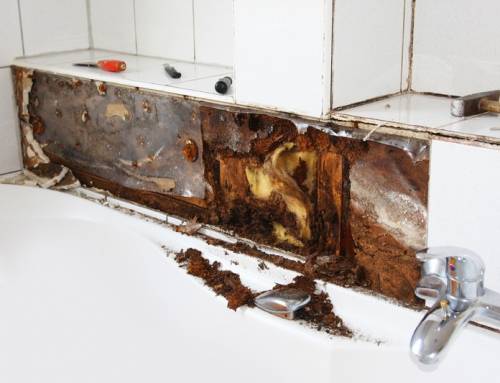
Rising damp and mould growth
-
Structural weakening
-
Damaged flooring, plaster, and electrics
Even minor leaks can lead to long-term moisture problems if not addressed quickly.
What You Can Do
-
Regularly inspect gutters and downpipes
-
Clear drains and ensure proper water flow away from foundations
-
Check roof tiles and flashing after storms
-
Install flood barriers if you’re in a high-risk area
If flooding does occur, immediate professional water extraction and drying are critical to prevent secondary damage such as mould and rot.
Winter Freezes & Burst Pipes
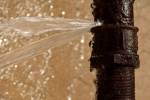
Cold snaps are becoming more frequent and intense in parts of the UK. Freezing temperatures can cause pipes to expand and burst, leading to significant internal flooding.
Common Winter Damage Includes:
-
Burst pipes
-
Cracked external render
-
Roof damage from ice buildup
-
Damp from condensation
Prevention Tips
-
Insulate exposed pipes
-
Keep heating on low during cold spells
-
Seal drafts around windows and doors
-
Check loft insulation levels
If a pipe bursts, turn off the water supply immediately and seek professional restoration assistance to dry and repair affected areas properly.
Storms & High Winds

Storm systems moving across the Atlantic frequently impact the UK, especially coastal and rural regions.
Strong winds can:
-
Lift roof tiles
-
Damage chimneys
-
Break windows
-
Cause falling tree damage
After any major storm, inspect your property for visible structural issues. What may seem like minor roof damage can allow water to penetrate over time.
Heatwaves & Structural Stress
While often overlooked, extreme summer heat can also impact buildings.
Recent years have seen record-breaking temperatures in the UK. Prolonged heat can cause:
-
Cracks in plaster and brickwork
-
Foundation movement in clay-heavy soil
-
Dry rot in poorly ventilated spaces
-
Increased condensation when temperatures fluctuate
Maintaining proper ventilation and checking for structural movement after heatwaves can help prevent long-term problems.
Damp & Mould: A Year-Round Issue
Due to the UK’s humid climate, damp and mould are ongoing concerns. Poor ventilation, combined with seasonal temperature shifts, creates the perfect environment for mould growth.
Mould isn’t just cosmetic — it can:
-
Damage walls and ceilings
-
Affect indoor air quality
-
Trigger respiratory problems
Professional mould remediation ensures spores are safely removed and underlying moisture issues are addressed.
Why Early Intervention Matters
Weather-related damage often starts small and becomes severe over time. A minor roof leak can turn into structural timber decay. A damp patch can become widespread mould contamination.
Early inspection and restoration can:
-
Reduce repair costs
-
Prevent structural deterioration
-
Protect your health
-
Maintain property value
Protecting Your Property All Year Round
Here’s a simple seasonal checklist:
Spring: Check gutters, roof tiles, and exterior walls
Summer: Inspect for cracks and ventilation issues
Autumn: Clear leaves, prepare drainage systems
Winter: Protect pipes and monitor condensationF
Routine maintenance dramatically reduces the risk of major restoration work.
When to Call a Professional Restoration Specialist
If you notice:
-
Persistent damp smells
-
Water stains or bubbling paint
-
Mould patches
-
Warped flooring
-
Structural cracks
It’s time to seek expert advice.
Professional restoration teams use industrial drying equipment, moisture detection tools, and proven repair techniques to restore your property safely and efficiently.