Repointing is one of the most misunderstood aspects of building maintenance. Many property owners believe mortar is purely cosmetic, but in reality, using the wrong mortar can cause serious and irreversible damage, especially to older brick and stone buildings.
This article explains why cement mortar is harmful, why lime mortar pointing is essential, and why repointing should always be carried out by specialist restoration professionals, not as a DIY or general building task.
Mortar Is Meant to Protect Brick and Stone — Not Damage It
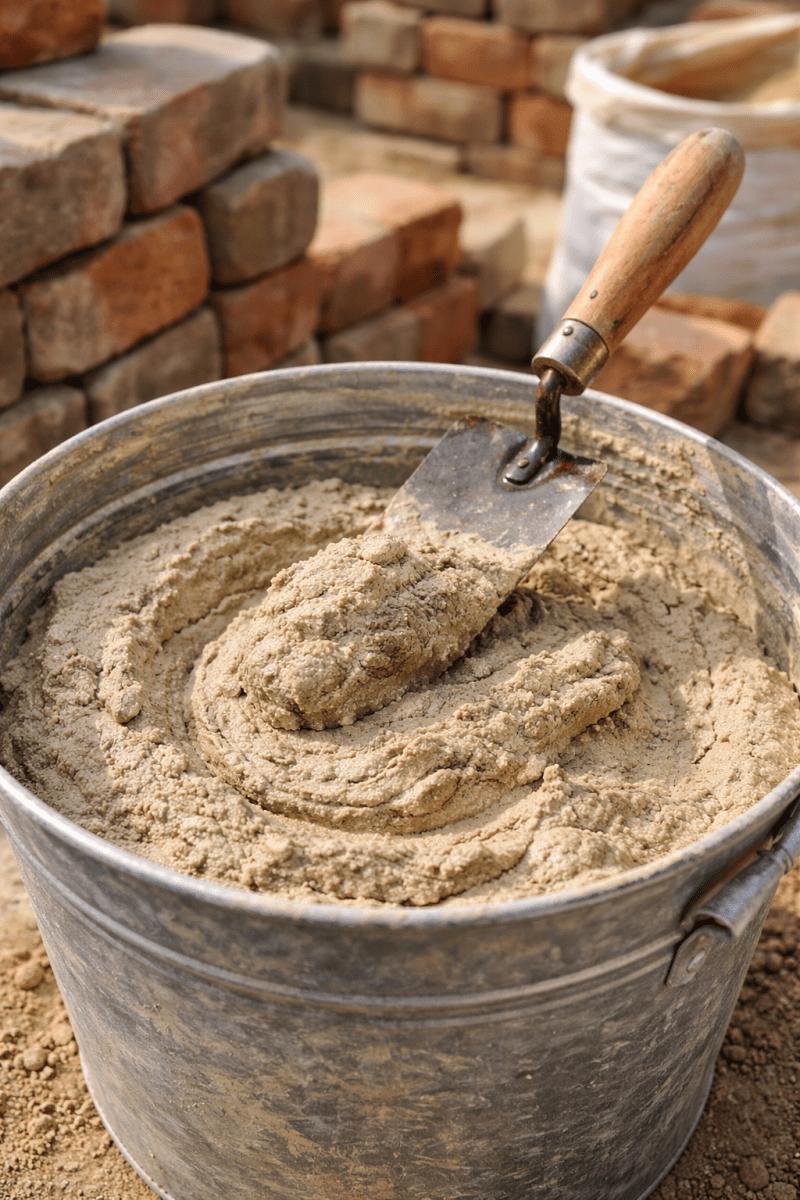
In traditional buildings, mortar is designed to be weaker and more breathable than the brick or stone it holds together.
Lime mortar:
-
Allows moisture to escape
-
Absorbs movement within the structure
-
Protects bricks and stone from stress
Cement mortar, by contrast, is:
-
Hard and inflexible
-
Impermeable
-
Stronger than historic bricks and stone
When cement mortar is used on older buildings, the masonry can no longer “breathe”, forcing moisture into the brick or stone itself.
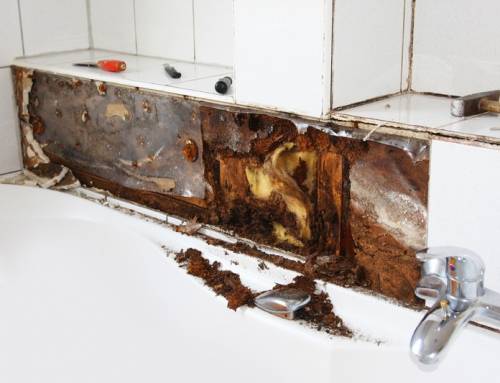
Over time, this leads to cracking, spalling, damp problems, and structural decay.
Why Cement Mortar Causes Long-Term Damage
Cement mortar is a common cause of deterioration in period properties.
Problems caused by cement pointing include:
-
Trapped moisture within brick or stone
-
Surface spalling and flaking
-
Accelerated frost damage
-
Internal damp and salt migration
-
Cracking caused by thermal movement
These issues often develop slowly, meaning damage can go unnoticed for years until repairs become extensive and expensive.
Once brick or stone has been damaged, it cannot be restored to its original condition.
Lime Mortar Allows Buildings to Breathe

Lime mortar works with traditional buildings rather than against them.
Key benefits of lime mortar pointing include:
-
Moisture evaporation through the joints
-
Reduced stress on bricks and stone
-
Improved durability of masonry
-
Better long-term structural performance
In many cases, lime mortar acts as a sacrificial material, deteriorating gradually so the surrounding masonry remains protected.
This is why lime mortar is essential for:
-
Period properties
-
Listed buildings
-
Conservation areas
-
Traditional brick and stone construction
Why Lime Mortar Pointing Is Not a DIY Job
Lime mortar pointing requires specialist knowledge and experience.
Mistakes commonly made during DIY or non-specialist repointing include:
-
Incorrect lime mix ratios
-
Incompatible sand selection
-
Overly hard finishes
-
Poor curing conditions
-
Damage to brick or stone during removal
Unlike cement, lime mortar behaves differently during application and curing. Incorrect work can fail prematurely or cause further masonry damage.
Professional assessment is essential to determine the correct mortar type for each building.
Poor Repointing Often Leads to Further Repairs
Incorrect pointing doesn’t just affect mortar joints; it can create wider structural issues.
Consequences often include:
-
Brick replacement
-
Stone repair or consolidation
-
Damp remediation
-
Internal plaster damage
What begins as a repointing issue frequently escalates into a full restoration project when the wrong materials are used.
Using specialists from the outset prevents unnecessary future work.
Specialist Lime Mortar Pointing and Restoration
Professional lime mortar pointing involves more than filling joints.
A proper restoration process includes:
-
Careful removal of inappropriate cement mortar
-
Assessment of brick or stone condition
-
Selection of compatible lime mortar
-
Correct joint profiles and finishes
-
Controlled curing to ensure durability
This approach ensures the building remains structurally sound and visually appropriate.
Don’t Risk Permanent Damage with Incorrect Repointing
Repointing with cement mortar may appear cheaper or quicker, but it often leads to significant long-term damage and higher repair costs.
If your property has:
-
Cracked or crumbling mortar
-
Hard cement pointing on older brickwork
-
Damp or flaking masonry
Professional lime mortar pointing is essential.
Contact our restoration team to ensure your brick or stone building is protected — not damaged — by repair work.
FAQs – Lime Mortar Pointing

What is lime mortar pointing?
Lime mortar pointing uses breathable lime-based mortar instead of cement. It is designed for traditional brick and stone buildings to allow moisture movement and prevent masonry damage.
Why is cement mortar bad for older buildings?
Cement is harder and less breathable than historic masonry. It retains moisture, which causes brick and stone to crack, spall, and deteriorate over time.
Can lime mortar be used on all buildings?
Lime mortar is ideal for traditional and period properties. Modern buildings are usually designed for cement mortar, so professional assessment is required.
How do I know if my building has the wrong mortar?
Signs include very hard joints, cracking bricks, flaking stone, damp patches, and mortar that protrudes beyond the masonry face.
Is lime mortar pointing more expensive than cement?
Initial costs may be slightly higher, but lime mortar prevents long-term damage, making it significantly more cost-effective over time.
Should repointing be carried out by specialists?
Yes. Incorrect repointing can permanently damage masonry. Lime mortar pointing should always be carried out by experienced restoration professionals.
Contact us! Here at UK Restorations