It’s easy to overlook. A tiny crack here, a little missing crumble there. Mortar is often seen as just the grey or white filler between your bricks or stone – a purely cosmetic feature. But this is a dangerous misconception.
At UK Restoration, we see the devastating consequences of neglected mortar every day. What starts as a minor cosmetic issue can quickly escalate into a major structural problem, leading to damp, instability, and eye-watering repair costs.
In this post, we’ll explain why your mortar matters, how to spot the warning signs of failure, and why professional repointing is one of the smartest investments you can make in your property.
Why Mortar is More Than Just “Filler”
Mortar is the structural glue of your building. It’s designed to be the weaker point in the wall, acting as a sacrificial element that absorbs stress and protects the more valuable bricks or stones. Think of it as the shock absorber for your entire structure.
Mortar also allows your walls to “breathe,” especially in older buildings. A correctly formulated lime mortar permits moisture to evaporate naturally, preventing it from becoming trapped inside the wall. When this process is interrupted, it can lead to the damp and decay we often see in improperly maintained properties.
The Warning Signs: How to Spot Mortar Failure
Ignoring the early signs of mortar decay is a gamble you don’t want to take. Here are the key indicators that your mortar joints are failing and need professional attention:
Cracking and Crumbling
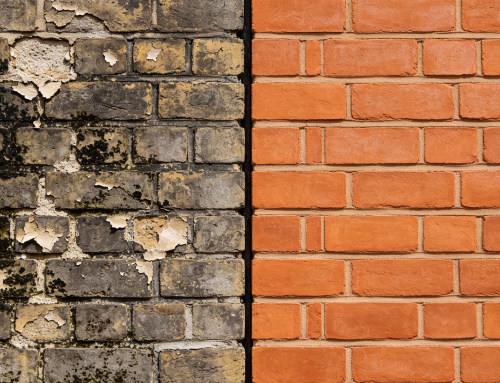
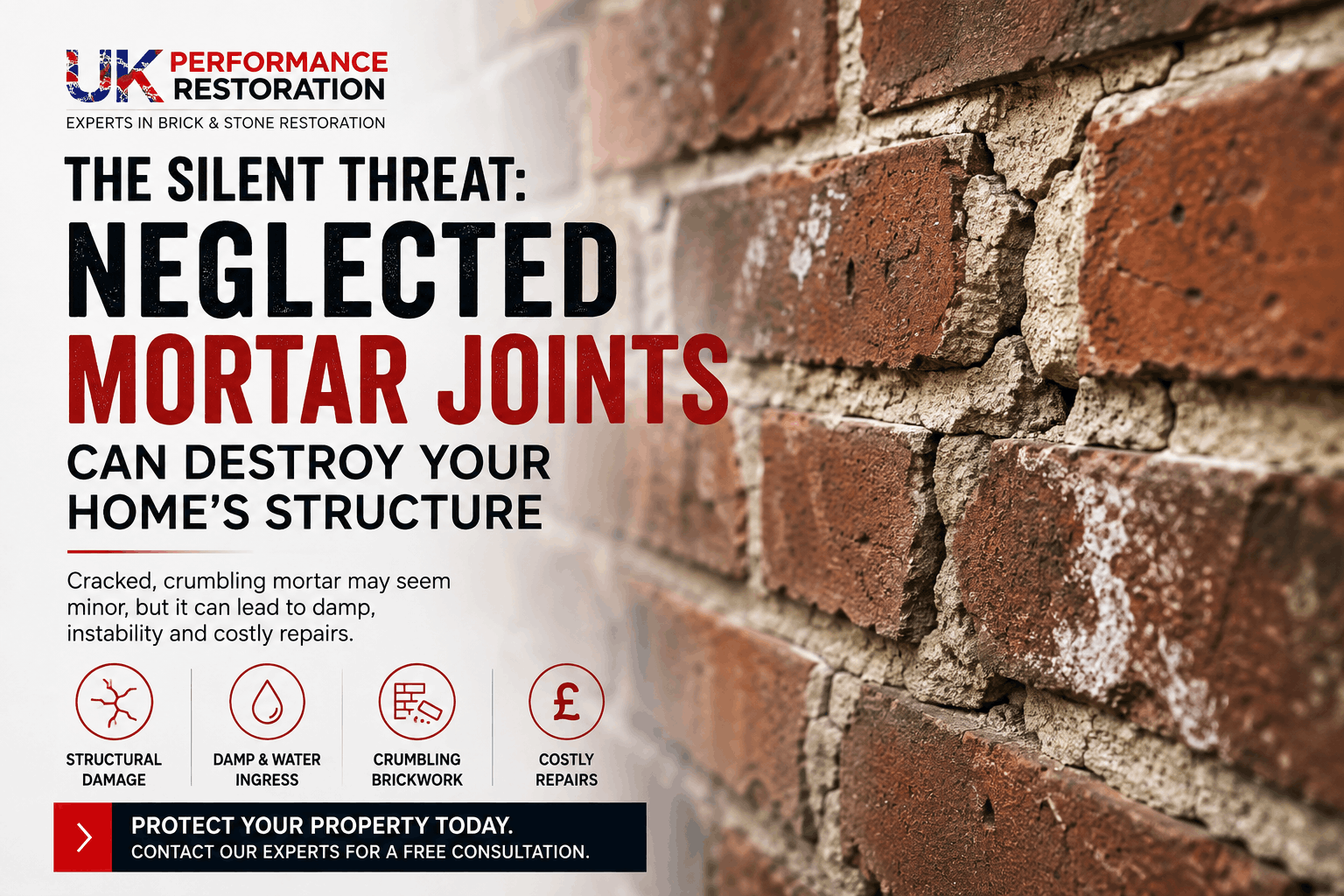
This is the most obvious sign. Look for horizontal or vertical cracks along the mortar lines, or mortar that is turning to dust and crumbles easily to the touch. This is often caused by weather exposure, structural movement, or old age.
Discoloured or Stained Masonry
If your bricks or stones appear darker in patches or have white, chalky deposits (efflorescence), it’s a strong indicator that water is penetrating through the failing mortar and dissolving salts within the masonry.
Missing Mortar
Gaps or holes in the joints are an open invitation for water ingress, pests, and further structural damage.
Internal Damp Patches
If you’re noticing damp or mould on your internal walls, the source could very well be the external mortar. Water finds the path of least resistance, and a compromised joint is exactly that.
The High Cost of “Cheap” Fixes
When faced with crumbling mortar, many property owners are tempted to turn to a quick and inexpensive solution: cement-based mortar.
While it might look like a tidy fix, using cement on an older building is one of the most common and costly mistakes we see. Here’s why:
1. It’s Too Hard
Cement mortar is much harder and less porous than traditional lime mortar. This creates a rigid seal that prevents the wall from breathing.
2. It Traps Moisture
The impermeable nature of cement traps moisture inside the brick or stone. As we’ve discussed, the UK’s relentless weather cycles mean this moisture will freeze and expand, causing the surface of your masonry to spall, crack, and literally blow off.
3. It Shifts the Problem
By using a harder mortar, you’re changing the structural dynamics of the wall. The stress that the softer mortar was designed to absorb is now transferred to the bricks themselves, which are much more expensive and difficult to replace.
In short, a cheap cement repoint can cause a minor problem to become a major, costly restoration project. For a deeper dive into why cement is so damaging, we highly recommend our dedicated article on Lime Mortar Pointing.
The Expert Solution: Why Professional Repointing is an Investment
The correct solution is a professional repointing service using a mortar that matches your property’s original material, which is often a lime-based mix.
This is not a simple DIY job. It requires the expertise to:
Identify the Correct Mortar Mix
Our specialists analyse your existing mortar to determine the appropriate mix of lime, aggregate, and pigments needed to replicate its strength, colour, and permeability.
Carefully Remove Old Mortar
This must be done by hand or with specialist tools to avoid damaging the surrounding brick or stone. The wrong tool can easily chip edges and cause irreparable harm.
Match the Historic Finish
A professional restorer will ensure the new mortar joints complement the style and period of your property, whether it’s a flush, recessed, or weather-struck finish.
By choosing expert restoration, you are protecting the structural integrity of your home, preventing damp, and preserving its character and value. It’s an investment that pays dividends by saving you from far more significant costs in the future.
Don’t Wait for the Warning Signs
If you’ve noticed any of the signs mentioned above, don’t wait for the damage to get worse. Early intervention is the key to preserving your property.
Our team of experts has over 25 years of experience in restoring brick and stone buildings across London, with the specialist knowledge required to treat your property with the care and skill it deserves.
For more insights on maintaining your property, explore our other articles on How to Spot Brickwork Damage and How UK Weather Impacts Your Property.
Ready to Protect Your Property?
Don’t wait for a small crack to become a costly structural issue. The team at UK Restoration is ready to provide you with expert advice and a free, no-obligation quote for your project.
Take the first step towards protecting your home today.
Click here to contact our experts and schedule a consultation.
Get in Touch
Protect your home’s structure and beauty. Contact UK Restoration today to schedule a professional assessment and let our experts ensure your property stands strong for generations to come.